
After a collision, hitting road debris, sliding into a ditch, or striking a deep pothole, it can be tempting to keep driving if the vehicle still starts and moves. Unfortunately, visible vehicle damage rarely tells the entire story. Steering, suspension, braking, cooling, electrical, and structural components can be compromised even when a car appears drivable. Around Marblemount, where drivers regularly travel rural stretches of State Route 20 and other roads where immediate repair options may be limited, knowing when to stop and request a tow can prevent a manageable problem from becoming a dangerous or expensive one.
A Drivable Vehicle Is Not Necessarily a Safe Vehicle
The ability to start the engine, shift into gear, and move forward does not confirm that a vehicle is roadworthy. Modern vehicles rely on interconnected systems, and collision forces can affect components that are not easily seen from outside.
A bent suspension component may change how a tire contacts the road. A damaged radiator can begin losing coolant after the vehicle warms up. A cracked wheel may hold air initially and fail several miles later. Even damaged exterior panels can become hazardous if they interfere with a tire or loosen at highway speeds.
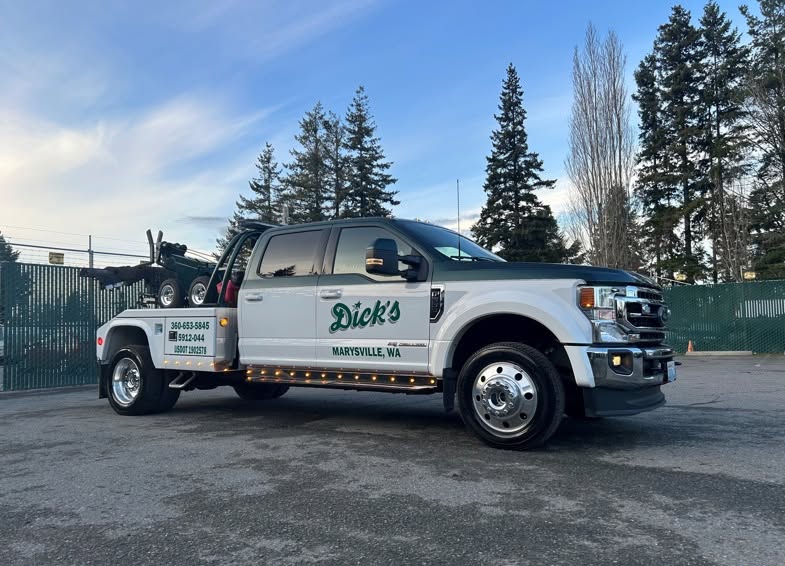
Following a collision or significant impact, accident towing and recovery services can provide a safer way to move the vehicle without adding unnecessary mileage or stress to compromised components.
Steering or Suspension Damage Can Change Quickly
Changes in steering are among the strongest reasons to stop driving. A vehicle that suddenly pulls to one side, has an off-center steering wheel, vibrates, wanders, or feels unstable may have suspension, wheel, tire, or steering damage.
A hard impact with a curb, ditch, or roadside object can bend control arms, tie rods, wheels, or other components. Continuing to drive places additional forces on already-damaged parts. What begins as poor alignment can become a loss-of-control risk if a weakened component fails.
Drivers should also pay attention to new clunking, grinding, scraping, or knocking sounds. Those noises are not something to test for another 20 miles. When handling has noticeably changed after an impact, professional towing is the safer transportation choice.
Fluid Leaks Can Turn Minor Damage Into Major Repairs
A puddle underneath a damaged vehicle deserves immediate attention. Coolant, engine oil, transmission fluid, brake fluid, and other automotive fluids each serve critical functions.
For example, a damaged radiator or cooling-system hose may cause the engine to overheat. Continuing to drive an overheating engine can lead to severe internal damage. Oil loss can create similar consequences when moving engine components no longer receive adequate lubrication.
Fluid color alone is not always enough to determine what has been damaged, especially after a collision. Rather than trying to diagnose the problem alongside a roadway, 24-hour emergency towing service can help get the vehicle to an appropriate repair facility for a complete inspection.
Tire and Wheel Damage Should Never Be Underestimated
Tires absorb tremendous force during pothole strikes, curb impacts, and crashes. Some failures are obvious, such as a flat tire or visibly bent wheel. Others are more difficult to recognize.
A tire can develop internal structural damage without immediately losing air. Sidewall bulges, cuts, exposed cords, vibration, or sudden pressure changes are warning signs that should not be ignored. A wheel may also crack or deform enough to affect handling while still appearing capable of turning normally at low speed.
In the Marblemount area, a tire or wheel problem becomes particularly concerning when the next part of the trip involves higher speeds, winding roads, or limited places to pull over safely. Towing the vehicle removes the risk of discovering that the damage was more serious after getting back up to speed.
When Towing Is Safer Than Driving
Not every scratch or dent requires a tow. Cosmetic damage that does not affect lights, tires, steering, visibility, body-panel security, or mechanical systems may allow a vehicle to be driven safely after it has been properly evaluated.
The situation changes when damage could affect vehicle control or mechanical reliability.
Towing is generally the safer decision when there is fluid leaking, visible wheel or tire damage, abnormal steering, braking changes, smoke, overheating, warning lights associated with a serious malfunction, loose body panels, damaged lighting needed for safe travel, or uncertainty about the vehicle’s condition.
The comparison is not simply driving versus paying for a tow. The real comparison is the known cost of safely transporting the vehicle versus the potential cost and liability of continuing to operate a damaged vehicle.
Secondary Damage Can Cost More Than the Original Problem
Continuing to drive can turn one damaged component into several. A rubbing body panel can destroy a tire. A coolant leak can lead to overheating. A damaged wheel can place additional stress on suspension components. Loose underbody material can tear away and damage surrounding parts.
That is why early decision-making matters. Using professional towing services when the vehicle’s condition is uncertain can help preserve its post-incident condition until a qualified repair professional can inspect it.
There is also a practical insurance consideration. After an accident, documenting the vehicle’s condition and avoiding unnecessary additional damage can make it easier to distinguish collision-related problems from damage that occurred afterward. Coverage and claim decisions depend on the individual policy and circumstances, so drivers should contact their insurer with coverage questions.
Frequently Asked Questions
Can I drive my car after a minor accident?
That depends on the type of damage. Cosmetic damage may not prevent safe operation, but problems involving tires, wheels, steering, brakes, fluids, lights, or loose body panels should be evaluated before the vehicle is driven.
What vehicle damage means I should call a tow truck?
Fluid leaks, damaged tires or wheels, steering problems, overheating, smoke, braking changes, loose components, and significant collision damage are strong reasons to stop driving and arrange professional towing.
Can driving a damaged vehicle make repairs more expensive?
Yes. Continuing to operate a damaged vehicle can place additional stress on affected systems and turn a single damaged component into a larger repair.
Should a vehicle be towed if I am unsure whether it is safe?
When there is reasonable doubt about steering, braking, tires, fluid loss, structural damage, or another safety-related system, towing the vehicle is generally the safer choice.
Consider Liability, Not Just Repair Costs
Mechanical failure is not the only concern associated with driving a damaged vehicle. A compromised vehicle can create risks for passengers, other motorists, cyclists, and pedestrians.
A loose bumper or body panel could separate from the vehicle. Damaged brake components may increase stopping distance. Steering problems can make it difficult to remain in a lane. Broken lights can make the vehicle harder for others to see, particularly at night or during poor weather.
If a driver knowingly continues operating a vehicle that appears unsafe and another incident occurs, the situation can become considerably more complicated. Liability depends on the specific facts and applicable law, but avoiding preventable risks is one reason professional transportation makes sense when significant damage is present.
What to Do After Vehicle Damage Occurs
Safety comes first. After an accident or damaging impact, move out of active traffic only when the vehicle can be moved safely and doing so is appropriate. Turn on hazard lights, remain aware of surrounding traffic, and contact emergency services when there are injuries, roadway hazards, or other urgent safety concerns.
Once immediate hazards are addressed, look for obvious warning signs without crawling underneath the vehicle or standing in an unsafe traffic area. Check for leaking fluids, damaged tires, hanging components, smoke, unusual odors, or significant body damage.
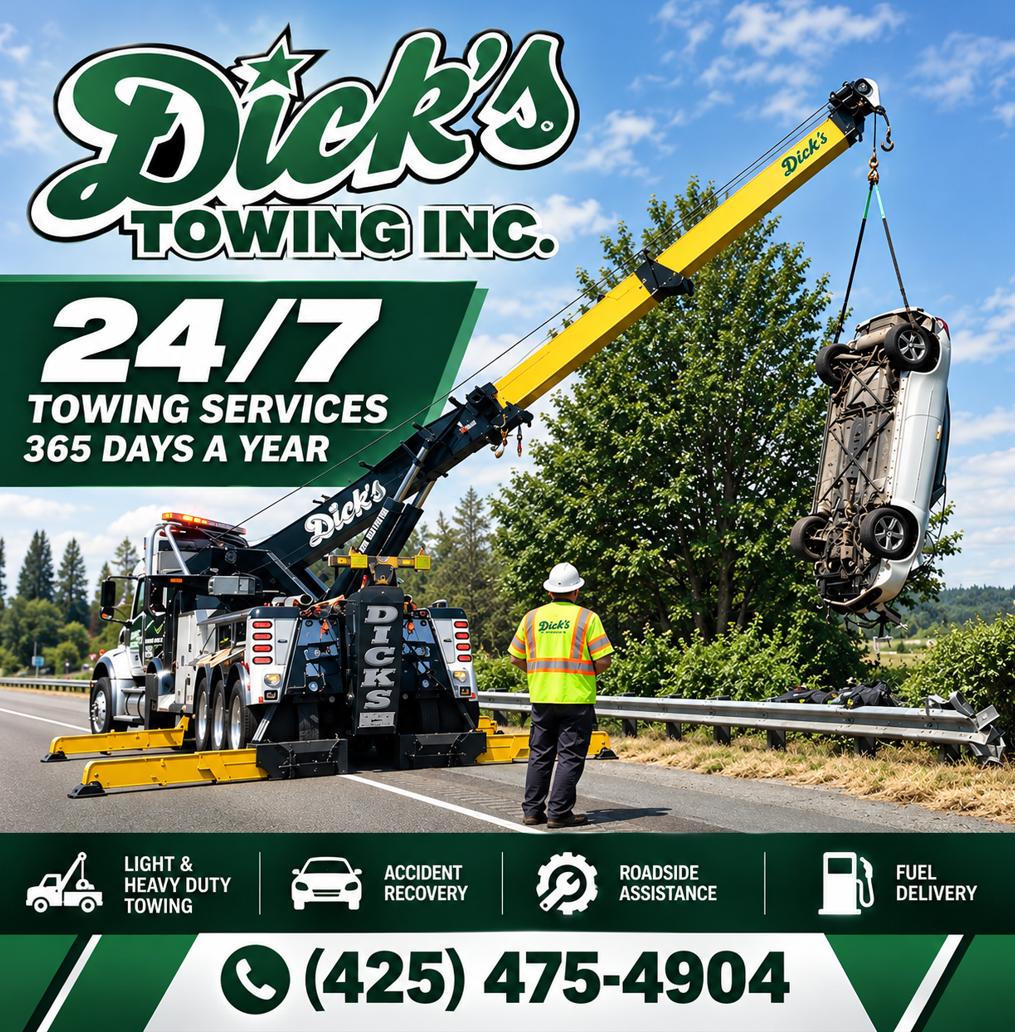
For vehicles that have left the roadway, rolled, become stuck, or sustained substantial collision damage, vehicle recovery services may be necessary rather than a standard roadside tow. Recovery situations can require specialized equipment and careful positioning before the vehicle can be transported.
Do Not Gamble on the Last Few Miles
Drivers sometimes decide to continue because home, a repair shop, or another destination is “only a few miles away.” Distance does not determine whether a damaged vehicle is safe.
A compromised tire can fail within a block. An engine can overheat rapidly after coolant loss. A weakened steering component does not become safer because the destination is nearby. When something feels wrong after an impact, stopping early can prevent a much larger problem.
This is especially important around Marblemount and surrounding areas, where roadway conditions and distances between services can make a second breakdown more difficult to manage.
When vehicle damage leaves you questioning whether your car, truck, SUV, or commercial vehicle is safe to drive, do not risk worsening the damage or creating another roadway hazard. Dick’s Towing provides professional towing, recovery, and roadside assistance for drivers in Marblemount and the surrounding areas. If the vehicle is leaking, handling differently, visibly damaged, or simply does not feel safe to operate, contact Dick’s Towing and call (425) 475-4904 for professional assistance.