
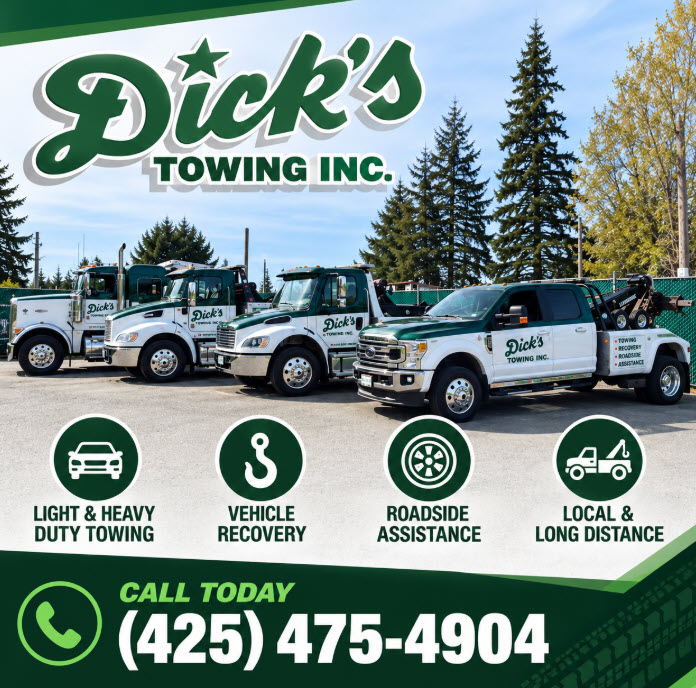
When a vehicle breaks down, one of the first questions a driver asks is, “What will this cost?” The average towing cost depends on more than the distance between the vehicle and its destination. Vehicle size, roadside conditions, required equipment, travel time, and the complexity of the recovery can all influence the final price. Understanding these variables helps drivers throughout the Pacific Northwest know what to expect before authorizing service.
What Is the Average Towing Cost?
A short-distance tow for a standard passenger vehicle commonly costs between $75 and $250. Longer trips may cost $125 to $275 for approximately 40 miles, while towing a vehicle 100 miles can exceed $600. These figures are general estimates rather than guaranteed prices because towing companies use different rate structures.
Most towing bills include a base or hook-up charge and an additional mileage rate. The base charge covers dispatching the truck, reaching the vehicle, preparing it for transport, and safely connecting it to the towing equipment. Mileage charges may range from approximately $2.50 to $7 per mile, depending on the company, location, and type of tow.
Drivers should ask whether mileage is calculated from the tow truck’s starting point, the disabled vehicle’s location, or only from the pick-up location to the destination. That distinction can noticeably change the estimate, especially in rural areas.
The Main Factors That Determine the Price
Distance is an obvious pricing factor, but it is not the only one. A vehicle sitting safely in a parking lot is generally easier to load than one stopped on a narrow highway shoulder. Limited access, traffic exposure, steep grades, and poor weather can require additional time and safety precautions.
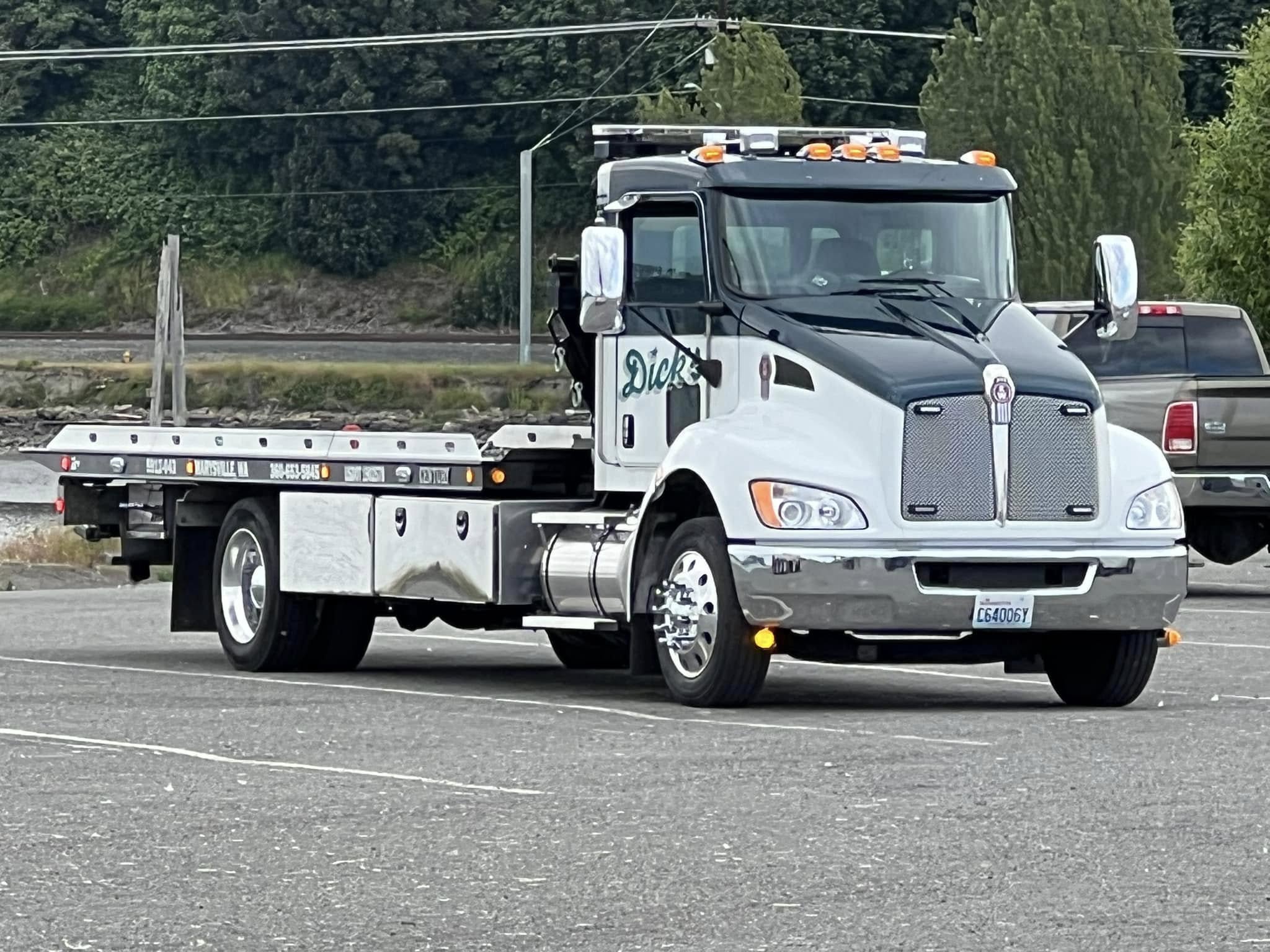
Vehicle weight also matters. A compact car can usually be transported with standard light-duty equipment. A work truck, delivery vehicle, RV, bus, or loaded commercial vehicle may require heavy-duty towing services and specialized equipment designed for greater weight. Sending the correct truck is essential for protecting the vehicle and preventing equipment damage.
The vehicle’s condition affects the process as well. A car that rolls freely and has functioning steering is easier to position than one with locked wheels, damaged suspension, or collision damage. Extra labor, wheel dollies, skates, or recovery equipment may be necessary when a vehicle cannot be loaded normally.
Local Towing Versus Long-Distance Towing
A local tow usually involves moving a vehicle to a nearby repair shop, dealership, home, or secure storage location. Although the distance is shorter, the base charge still covers the time and equipment required to complete the call. This is why a five-mile tow does not necessarily cost half as much as a ten-mile tow.
Long-distance towing places more emphasis on mileage, travel time, fuel use, and the tow truck’s return trip. A longer route through the Pacific Northwest may also involve ferry schedules, mountain passes, construction zones, or isolated highways. Before approving a distant destination, ask whether a qualified repair facility is available closer to the breakdown location.
Drivers comparing local and long-distance towing should request the estimated total rather than focusing only on the advertised per-mile rate. A low mileage price paired with a higher hook-up charge may not produce the lowest overall bill.
Why Some Tow Calls Cost More
Standard towing assumes the vehicle is accessible and can be loaded without an involved recovery. When a vehicle leaves the roadway, becomes stuck in mud, slides into a ditch, or rests against an obstacle, the job may require winching or recovery work.
Winching rates may be calculated according to the equipment used and the time required. A straightforward pull from shallow mud is different from stabilizing and recovering an overturned vehicle on an embankment. More complicated recoveries may require additional trucks, traffic control, rigging, or coordination with emergency personnel.
Nighttime, weekend, and holiday calls may also have different pricing. Around-the-clock service requires towing companies to keep trained drivers and properly equipped trucks available when most businesses are closed. Ask about after-hours charges when requesting service so the estimate reflects the timing of the call.
Roadside Assistance May Prevent a Tow
Not every breakdown requires transportation to a repair facility. A dead battery, empty fuel tank, flat tire, or locked vehicle may be resolved at the roadside. When conditions are safe, emergency roadside assistance can get a vehicle moving again without the cost of a complete tow.
Roadside service is not always the best choice, however. A vehicle should be towed when it has collision damage, an overheating engine, a severe fluid leak, unsafe steering, brake trouble, or a wheel that cannot turn properly. Continuing to drive can turn a manageable mechanical problem into extensive engine, transmission, tire, or suspension damage.
Drivers should describe the symptoms accurately when calling. Mention dashboard warnings, unusual sounds, leaking fluids, visible damage, and whether the vehicle starts, steers, and rolls. This information helps dispatchers recommend the correct service and send suitable equipment the first time.
Questions to Ask Before Authorizing a Tow
Request an estimated total whenever the circumstances allow. Provide the pick-up location, destination, vehicle year and model, and a clear description of the problem. Ask whether the quote includes dispatch, hook-up, mileage, equipment, and any expected after-hours charge.
Confirm the accepted payment methods and whether payment is due at the destination. Drivers using insurance, a vehicle warranty, or a roadside membership should check coverage limits before service begins. Some plans cover only a specific mileage allowance or require towing to the nearest approved facility.
Understanding what to expect when calling a tow truck can make an already stressful situation more manageable. Clear information protects against misunderstandings and helps the towing provider prepare for the call.
Impound Towing Is Priced Differently
A voluntary roadside tow is different from an impound ordered by law enforcement or a private-property representative. Impounds may involve regulated rates, storage charges, administrative requirements, and after-hours release fees. The vehicle owner may not have selected the towing company or destination.
Anyone retrieving an impounded vehicle should contact the storage facility promptly, ask what identification and ownership documents are required, and request the current balance. Storage fees can continue accumulating, so delaying retrieval may substantially increase the total.
Frequently Asked Questions
How is towing cost calculated?
Towing cost usually includes a base or hook-up charge plus mileage. Vehicle size, accessibility, required equipment, timing, and recovery conditions may also affect the final price.
Does towing cost more at night or on weekends?
Some towing providers charge different rates for nighttime, weekend, or holiday service. Ask about possible after-hours charges when requesting an estimate.
Will insurance pay for a tow truck?
Coverage depends on the insurance policy or roadside-assistance plan. Some plans include towing up to a mileage limit, while others require the driver to pay first and request reimbursement.
Is winching included in a standard towing price?
Winching is often priced separately because it requires additional equipment, time, and recovery work. The charge depends on the vehicle’s position and the difficulty of reaching it safely.
Can roadside assistance be cheaper than towing?
Yes. A jump-start, tire change, fuel delivery, or lockout service may resolve the problem without transporting the vehicle. Towing is safer when the vehicle has mechanical or collision damage that makes driving unsafe.
How to Keep Towing Expenses Under Control
Choosing the nearest appropriate repair facility can reduce mileage charges, but the closest shop is not automatically the right destination. Confirm that the facility is open, accepts the vehicle, and can diagnose the problem. Paying for a second tow because the first destination cannot perform the repair is an avoidable expense.
Keep insurance and roadside-assistance information accessible in the vehicle and on a mobile phone. Preventive maintenance also reduces the likelihood of needing emergency towing. Battery testing, tire inspections, fluid checks, and attention to warning lights can reveal problems before they cause a roadside shutdown.
Never choose towing equipment based solely on the lowest quote. An improperly equipped truck or rushed loading process can damage bumpers, driveline components, wheels, or bodywork. Professional operators consider the vehicle, its condition, and the surrounding hazards before deciding how it should be moved.
Request the Right Help for Your Situation
When a vehicle is disabled, stuck, damaged, or unsafe to drive in the Pacific Northwest, a clear description of the situation is the best starting point for an accurate estimate. Dick’s Towing can evaluate the location, vehicle, distance, and equipment requirements before dispatch. For dependable help and a straightforward towing cost estimate, call Dick’s Towing to request service.